
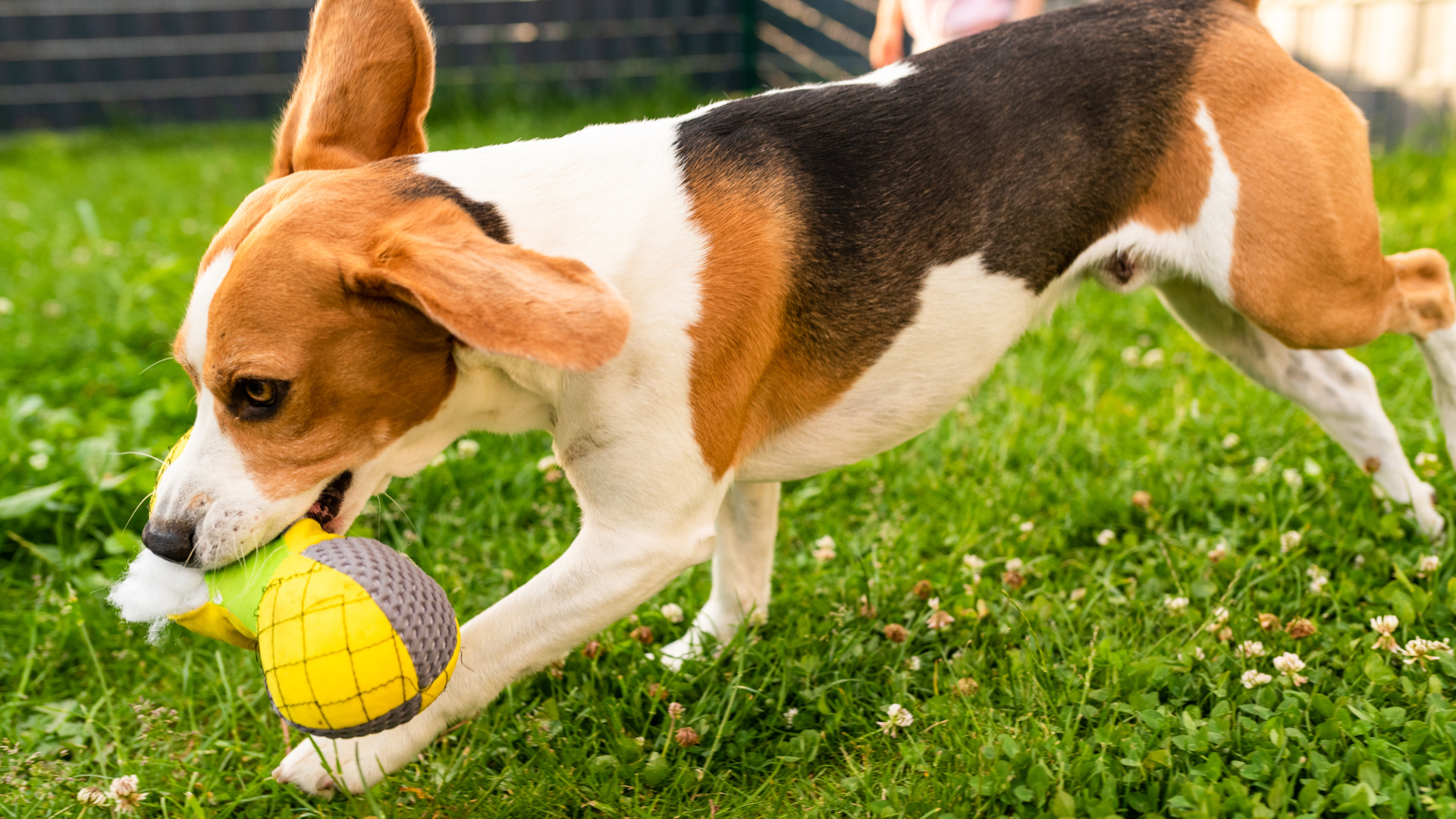
Creating a pet-safe landscaping specifically for senior pets is one of the most thoughtful upgrades you can make to your outdoor space. Aging pets face mobility issues, sensory changes, and increased vulnerability to heat and cold, making it essential to design a safe and accessible yard tailored to their needs. This blog explores the pros and cons of pet-safe landscaping, provides the most efficient setup recommendations, and offers five top ideas with actionable improvements.
Pros of Pet-Safe Landscaping Specifically for Senior Pets
1. Increased Comfort and Accessibility Soft ground surfaces, ramps, and gentle slopes make it easier for pets with arthritis or joint pain to move around without discomfort.
2. Safety from Common Hazards Replacing toxic plants with non-toxic options ensures your pet stays safe while exploring the garden. Additionally, secure fencing prevents wandering and accidental escapes.
3. Mental and Physical Stimulation A sensory garden or pet-friendly path encourages movement, preventing boredom and maintaining mobility. Senior pets benefit from diverse textures, scents, and shaded areas where they can engage their senses.
4. Reduced Stress and Anxiety Older pets often feel anxious with changes in their environment. A thoughtfully designed yard offers predictability, quiet zones, and familiar paths, reducing their stress levels.
5. Promotes Independence By creating a safe, easy-to-navigate yard, your pet can explore freely without needing constant supervision. This fosters independence, which is vital for their mental well-being.
Cons of Pet-Safe Landscaping Specifically for Senior Pets
1. Upfront Investment Designing a pet-safe can be expensive, especially when adding custom ramps, non-slip paths, or new landscaping features.
2. Ongoing Maintenance Some pet-friendly features, such as artificial grass or water fountains, require regular maintenance to keep them clean and functional.
3. Space Limitations If you have a smaller yard, incorporating ramps, cushioned areas, and sensory gardens can feel restrictive or cluttered.
4. Risk of Overheating in Summer While artificial turf offers a soft surface, it can become hot under direct sun. Shaded areas or cooling options need to be part of the design to prevent heatstroke.
5. Potential Garden Pests Even non-toxic plants can attract garden pests that pose risks to senior pets. Natural pest control methods are essential but can require ongoing monitoring.
Conclusion
Designing pet-safe landscaping specifically for senior pets is both rewarding and essential for maintaining the well-being of your aging companions. While the process may require an initial investment and ongoing maintenance, the benefits far outweigh the challenges. With a safe, accessible, and stimulating yard, your senior pets can enjoy the outdoors comfortably, promoting their physical health and mental well-being.
By incorporating features like sensory pathways, cushioned surfaces, shaded rest areas, and water fountains, you’ll create a space where your pet feels safe and engaged. Thoughtful improvements such as ramps and raised beds help cater to their unique mobility needs, giving them independence and freedom to explore.
Ultimately, with the right setup and a few well-planned upgrades, you’ll ensure your senior pets continue to enjoy life outdoors, enriching their golden years with joy, comfort, and safety.