
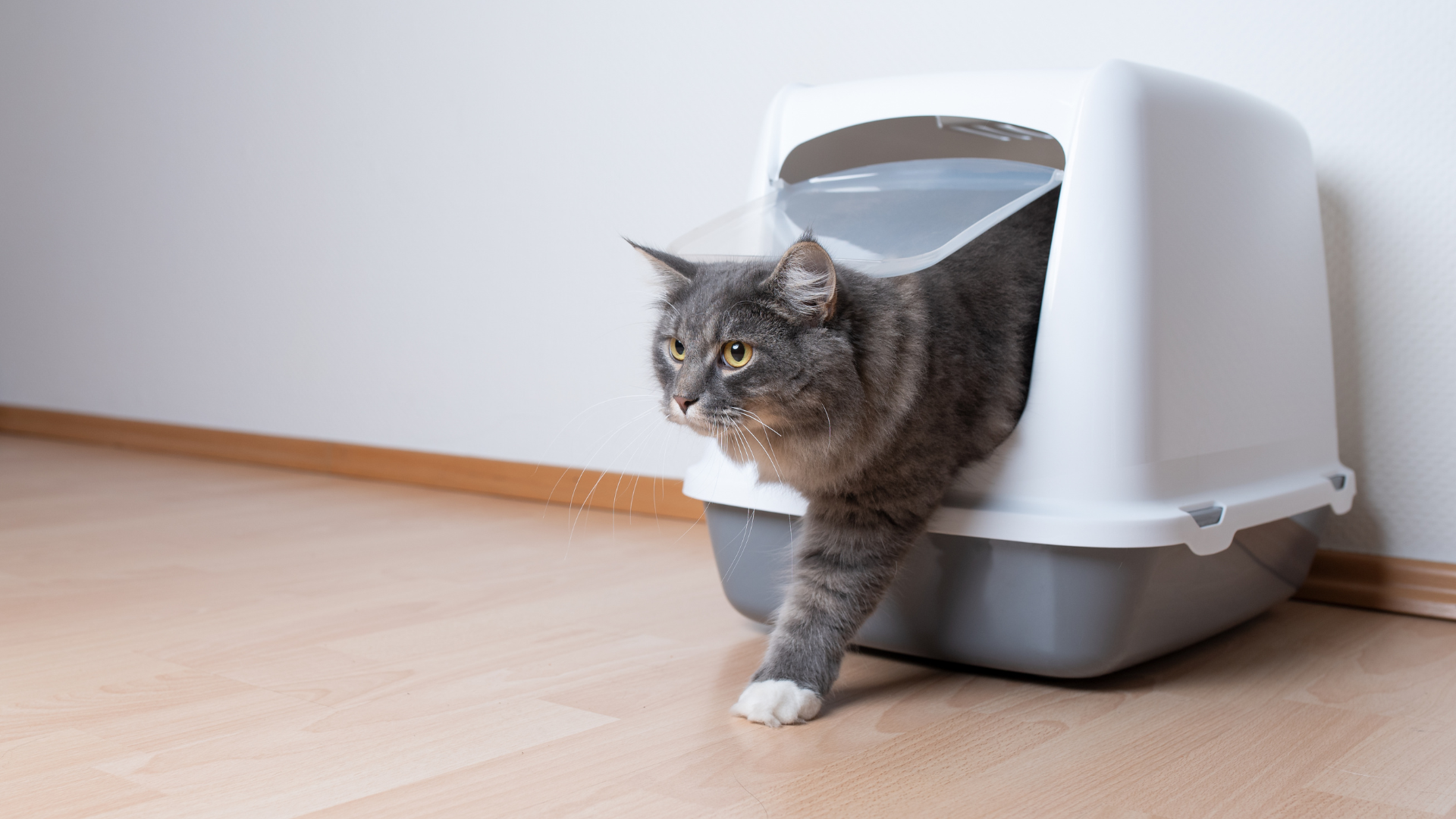
The Pros and Cons of Automated Pet Litter Boxes and Solutions for Common Issues
Automated pet litter boxes have revolutionised the way pet owners manage their furry friends' waste. These high-tech devices promise convenience, odor control, and reduced maintenance. But are they the perfect solution for every pet household? Let’s explore the pros and cons of automated pet litter boxes and delve into potential solutions for their drawbacks. Here are 6 recommended products to consider.
Pros of Automated Pet Litter Boxes
Convenience
Automated litter boxes take care of scooping, saving time and effort for busy pet owners.
Some models can be left unattended for days, reducing daily maintenance tasks.
Odor Control
Many models come with advanced odor-sealing mechanisms, such as carbon filters or enclosed designs, keeping your home smelling fresh.
Hygiene
Regular and automatic cleaning prevents the buildup of bacteria, reducing the risk of infections for both pets and humans.
Ideal for Multiple Cats
Some automated litter boxes are designed for multi-cat households, ensuring that the box is clean for each use.
Pet Monitoring
Advanced models feature health-tracking capabilities, monitoring your pet’s bathroom habits to detect potential health issues early.
Cons of Automated Pet Litter Boxes
Cost
These devices can be pricey, with premium models costing upwards of $500.
Maintenance costs, such as replacement parts or specialized litter, add to the expense.
Noise
Some models produce noise during the cleaning cycle, which can be unsettling for noise-sensitive pets.
Size and Space Requirements
Automated litter boxes tend to be bulky and may not fit well in small living spaces.
Litter Compatibility
Many models require specific types of litter, which may be less accessible or more expensive than traditional options.
Pet Adjustment Period
Some cats may take time to get used to the automated features, particularly the noise and movement.
Potential Solutions for Cons
Cost:
Opt for budget-friendly models with essential features or look for refurbished units.
Use subscription services for replacement parts or litter to reduce costs.
Noise:
Choose models with quieter cleaning cycles and place the litter box in a less frequented area of the home.
Size:
Measure your space carefully and select a compact model designed for smaller homes.
Litter Compatibility:
Research models that work with a variety of litter types to ensure flexibility and cost savings.
Pet Adjustment:
Gradually introduce your cat to the automated litter box by placing it alongside the old one and rewarding your pet for using it.
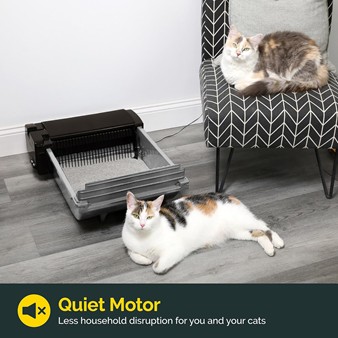

Pet Zone Smart Scoop
Description: Features a built-in carbon filter and efficient waste separation system.
Benefits: Keeps your home fresh and odor-free.
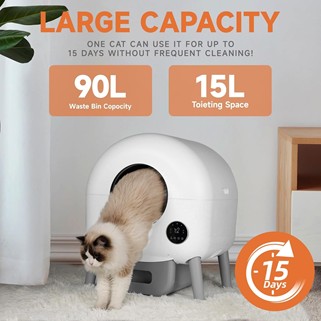
Cat Genie A.I.
Description: A self-washing and self-flushing litter box that operates quietly.
Benefits: Perfect for noise-sensitive cats and owners who prioritize hygiene.

Smarty Pear Leo’s Loo Too
Description: Tracks your cat’s weight and usage patterns to detect potential health issues.
Benefits: Excellent for health-conscious pet owners
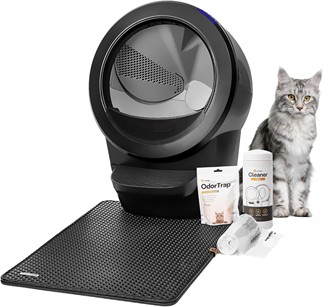
Litter-Robot 4 Core Bundle
Description: A premium self-cleaning litter box with Wi-Fi connectivity, advanced odor control, and health-tracking features.
Benefits: Ideal for tech-savvy pet owners and multi-cat households. The core bundle includes Litter-Robot 4, 6 OdorTrap Refills, 25 Liners, 30 Cleaner Wipes, Mat & Fence.

PETKIT Pura X
Description: A sleek and compact automated litter box with a modern design.
Benefits: Ideal for small apartments or limited spaces.

Pet-Safe Scoop Free Original
Description: An affordable self-cleaning litter box with disposable trays and crystal litter.
Benefits: Great for pet owners seeking convenience without breaking the bank.