
Pet-Safe Landscaping Specifically for Senior Pets
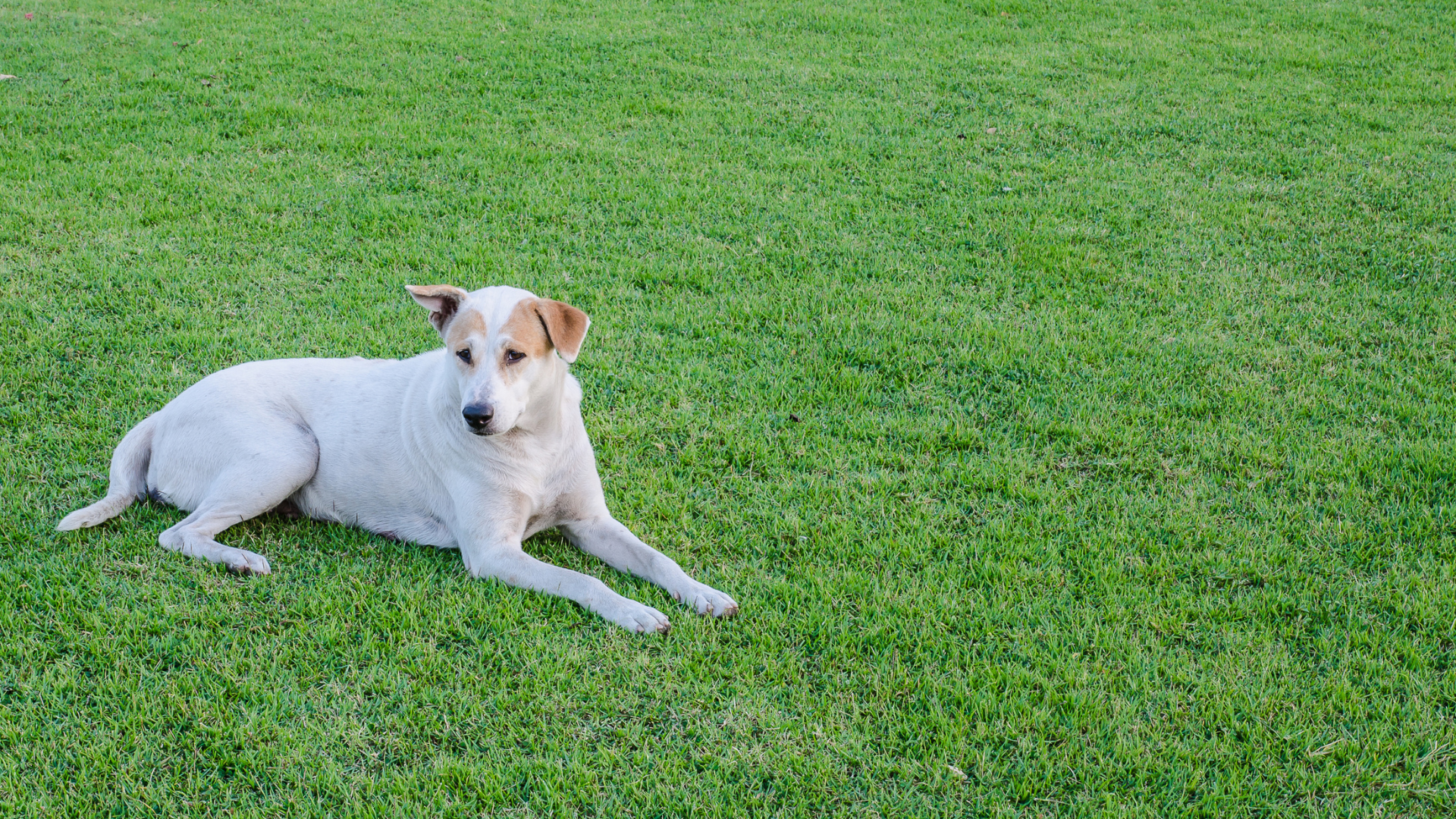
Pet-Safe Landscaping Specifically for Senior Pets: A Comprehensive Guide
As our furry companions age, their needs evolve, and it’s crucial to adapt our homes including our yards to ensure their comfort, safety, and overall well-being. Pet-safe landscaping specifically for senior pets not only offers a sanctuary for your aging companion but also enhances their quality of life by providing a space tailored to their changing needs. Let’s dive into the benefits, challenges, and key considerations for creating the ideal outdoor environment for your senior pet.
Benefits of Pet-Safe Yard Landscaping for Senior Pets
1. Improved Mobility and Accessibility
Senior pets often face challenges with mobility due to joint stiffness, arthritis, or age-related conditions. A well-designed, pet-safe yard provides them with a safe space to move around without unnecessary strain or risk of injury.
2. Mental and Physical Stimulation
A thoughtfully landscaped yard encourages gentle exercise and exploration, helping to keep your senior pet mentally engaged and physically active, which is essential for their health and longevity.
3. Reduced Stress and Anxiety
Familiar, secure outdoor spaces reduce stress and anxiety in aging pets. The yard becomes a calming retreat where they can relax and enjoy the fresh air in peace.
4. Enhanced Safety
Pet-safe landscaping minimises hazards, such as sharp objects, toxic plants, or steep inclines, ensuring that your senior pet can explore without risk.
Challenges and Issues in Landscaping for Senior Pets
1. Physical Limitations
Senior pets may struggle with uneven surfaces, stairs, or high steps. Ensuring smooth transitions and non-slip surfaces is crucial to avoid injury.
2. Sensory Decline
As pets age, their vision, hearing, and sense of smell may diminish. Designing a yard that accommodates these changes with clear pathways and sensory markers helps them navigate confidently.
3. Weather Sensitivity
Senior pets are more vulnerable to extreme temperatures. Providing shaded areas and protection from harsh weather is a must.
4. Toxic Plants and Chemicals
Certain plants and lawn treatments can be harmful if ingested. Ensuring all plants and materials used in the yard are non-toxic is essential for safety.
Most Efficient Setup for Pet-Safe Landscaping for Senior Pets
Level Ground with Soft Surfaces Create a level yard with soft, non-slip surfaces such as artificial turf or mulch. These materials reduce the risk of slips and cushion joints during movement.
Shaded Retreats Incorporate shaded areas with pergolas, canopies, or strategically placed trees to protect your senior pet from heat and direct sunlight.
Secure Fencing Install sturdy, escape-proof fencing to provide a safe environment where your pet can roam freely without supervision.
Gentle Ramps and Pathways Replace stairs or steep inclines with gentle ramps or wide pathways to ensure easy access for pets with mobility issues.
Safe Water Features If adding water features, opt for shallow, pet-friendly designs. These can serve as cooling spots without posing drowning risks.
Top 5 Ideas for Pet-Safe Landscaping for Senior Pets
1. Accessible Raised Garden Beds
Raised garden beds are perfect for creating a visually appealing yard while keeping plants out of your pet’s reach. Include non-toxic herbs like basil, parsley, or mint for added sensory stimulation.
2. Soft, Cushioned Resting Zones
Design cozy resting areas with outdoor pet beds or cushioned mats. Place them in shaded spots to provide a comfortable retreat for your pet to relax.
3. Sensory Pathways
Create pathways with different textures such as smooth stones, wood chips, or grass to stimulate your pet’s senses while guiding them safely through the yard.
4. Enclosed Play Areas
Designate a small, secure play area with soft toys and gentle agility equipment to encourage safe, low-impact activity.
5. Pet-Safe Aromatic Plants
Incorporate pet-safe aromatic plants like lavender or chamomile. These not only enhance the yard’s aesthetic but also provide calming benefits for your senior pet.
Top 5 Improvements for an Existing Yard
1. Install Non-Slip Surfaces
Replace any slippery surfaces, such as smooth tiles or wet grass, with non-slip alternatives like textured concrete, outdoor rubber mats, or synthetic turf.
2. Upgrade Fencing
Ensure existing fences are secure, with no gaps or sharp edges. Consider adding a self-closing gate for added safety.
3. Add Gentle Lighting
Install solar-powered, soft LED lighting along pathways and entry points. This helps senior pets with declining vision navigate safely, especially at night.
4. Incorporate a Cooling Station
Set up a cooling station with a shallow kiddie pool or misting system to help your pet stay cool during warmer months.
5. Replace Hazardous Plants
Audit your yard for any potentially toxic plants, such as lilies, azaleas, or sago palms. Replace them with safe alternatives like marigolds, sunflowers, or pet grass.
Conclusion
Designing a pet-safe yard for senior pets is a rewarding project that enhances their quality of life while giving you peace of mind. By addressing their unique needs and prioritising safety, accessibility, and comfort, you can create an outdoor space that’s both functional and beautiful. Whether you’re starting from scratch or improving an existing yard, the key is to focus on thoughtful, pet-friendly landscaping tailored specifically for your aging companion.
By implementing these tips and ideas, you’ll not only provide a safe haven for your senior pet but also enjoy a yard that’s easy to maintain and perfect for shared moments of relaxation. After all, our pets are family, and they deserve a space that’s as loving and accommodating as we can make it.