
Pet-Friendly Landscaping: Creating Safe and Enjoyable Outdoor Spaces for Your Pets
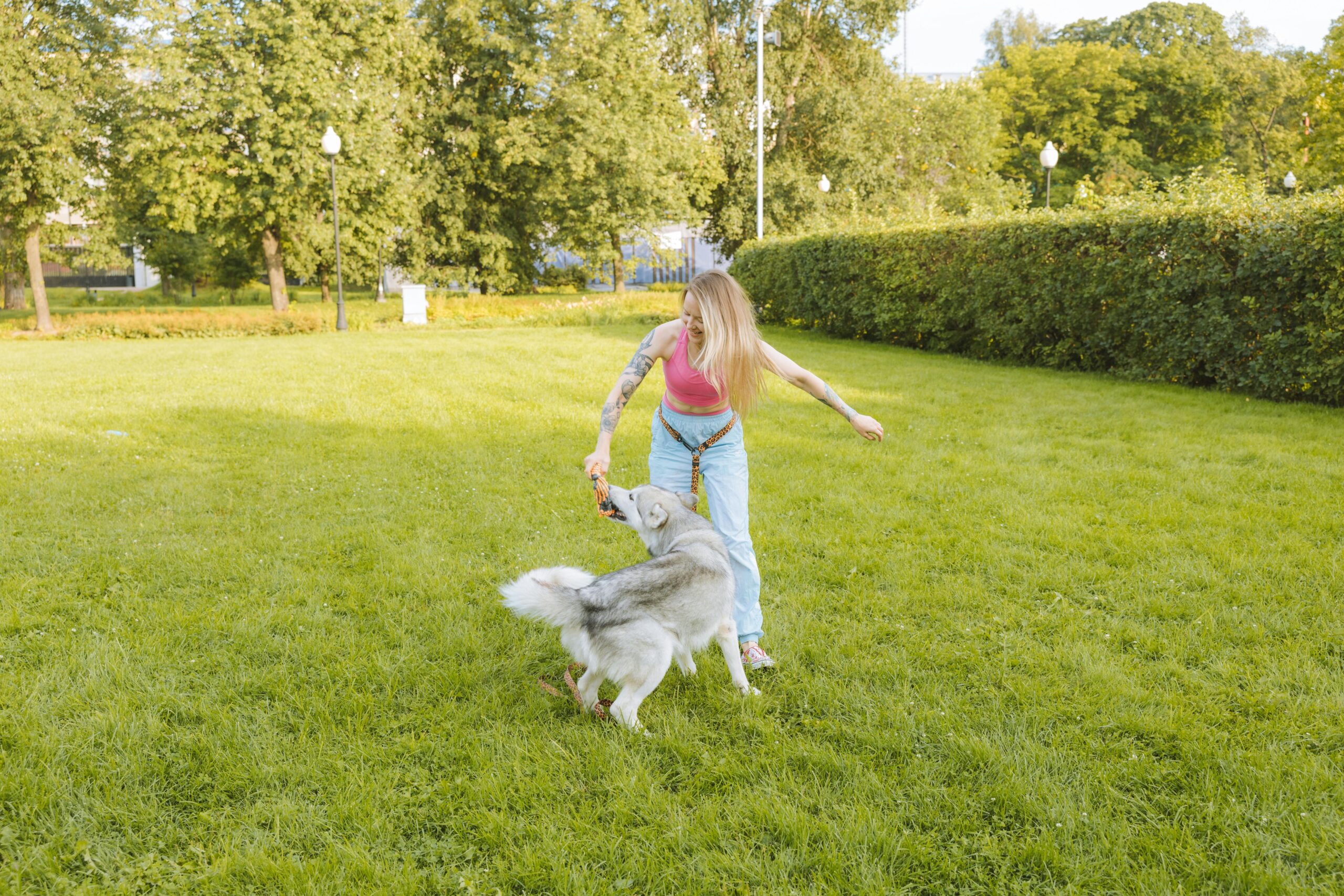
Landscaping your yard with your pets in mind not only enhances the aesthetic appeal of your outdoor space but also ensures a safe and enjoyable environment for your furry friends. This guide will cover essential aspects of pet-friendly landscaping, including the materials, layout, and design considerations, safe plants, fencing options, creating pet play areas, DIY tips, pest control advice, and common hazards to avoid.
Importance of Pet-Friendly Landscaping : Materials, Layout, and Design
Creating a pet-friendly yard involves more than just adding a few pet toys. It’s about designing an outdoor space where pets can roam, explore, and play safely without compromising the beauty and functionality of your garden.
- Materials
- Grass: Select low-maintenance, durable grasses like buffalo grass, which can withstand wear and tear from pets.
- Ground Covers: Use safe and comfortable ground covers such as artificial grass, gravel, and cedar chips.
- Hardscaping: Incorporate smooth, flat surfaces for paths and patios to ensure pets’ safety while walking and playing.
- Layout
- Play Zones: Designate specific areas for pets to play and dig. This prevents them from damaging delicate plants.
- Rest Areas: Provide shaded resting spots with comfortable bedding for pets to relax, especially during the hot Australian summers.
- Toilet Areas: Create designated toilet areas with a surface like sand or mulch to train pets where to do their business.
Safe Plants
When selecting plants for your garden, ensure they are non-toxic to pets. Some safe plant options include:
- Saint John’s wort (calming effect on pets)
- Basil
- Thyme
- Sunflowers
Fencing Options
Fencing is crucial for keeping pets within the designated area and protecting them from local wildlife. Consider the following options:
- Standard Fencing: Ensure it is high enough to prevent pets from jumping over.
- Cat-Proof Fencing: Prevents cats from climbing out.
- Electric Fences: Use with caution to train pets to stay within bounds.
Creating Pet Play Areas
Adding designated play areas can keep pets entertained and active. Consider incorporating:
- Digging Pits: Filled with sand or soil where dogs can dig.
- Water Features: Small pools or fountains for pets to cool off.
- Obstacle Courses: With tunnels and agility equipment for exercise.
DIY Landscaping Tips
For pet owners who enjoy a hands-on approach, here are some DIY landscaping tips:
- Build a shaded pergola or gazebo.
- Create raised garden beds to keep plants out of pets’ reach.
- Use mulch made from non-toxic materials.
- Install pet-friendly artificial turf.
Pest Control
Pests can be a significant concern in pet-friendly yards. Use pet-safe pest control methods, such as:
- Natural repellents (like neem oil)
- Beneficial insects (ladybugs, nematodes)
- Regular yard maintenance to remove attractants
Common Hazards to Avoid
Certain plants and materials can be harmful to pets. Avoid using:
- Toxic plants such as oleander, azaleas, and lilies.
- Cocoa mulch, which is toxic to dogs.
- Sharp-edged hardscaping materials.
Efficient Setup for Landscaping
An efficient pet-friendly landscaping setup should balance aesthetics and functionality. Key considerations include:
- Creating zones for different activities (play, rest, toilet).
- Using durable and safe materials.
- Incorporating easy-to-maintain plants and features.
Conclusion
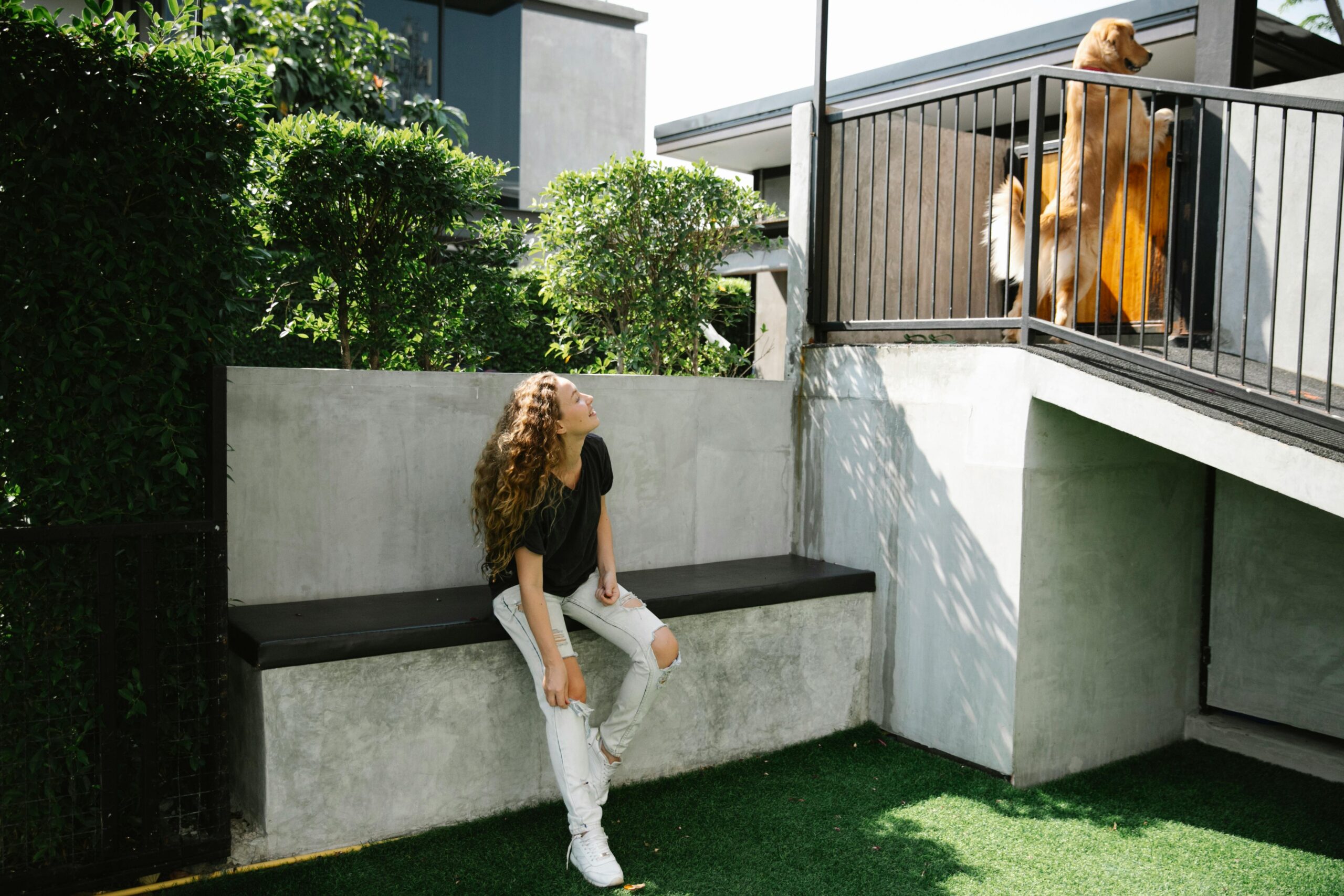
Creating a pet-friendly yard is a rewarding endeavor that ensures your pets’ safety and happiness while allowing you to enjoy a beautifully landscaped garden. With careful planning and the right choices, you can design an outdoor space that meets the needs of your entire household, pets included.