
DIY Pet Furniture Projects
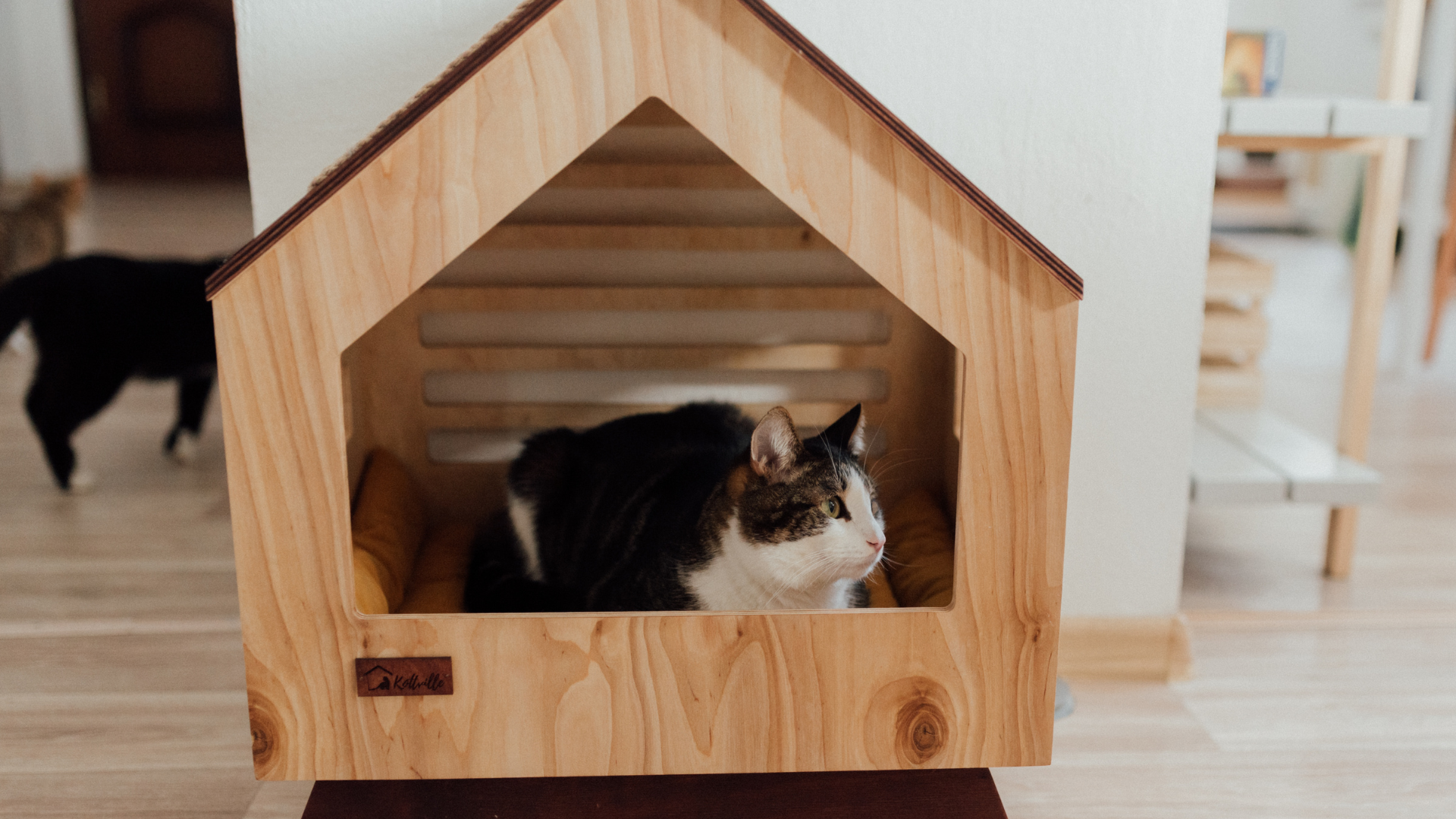
DIY Pet Furniture Projects: Creating Comfortable Spaces for Your Furry Friends
Pet lovers know that our four-legged friends are family, and like family, they deserve their own cozy, functional spaces. DIY Pet Furniture Projects not only save money but also allow you to customise furniture that fits your pet’s unique needs and personality. Whether you have a playful pup, a curious cat, or a fluffy bunny, this guide will inspire you to craft pet furniture that enhances your home and enriches your pet’s life.
In this post, we’ll explore the benefits of DIY Pet Furniture Projects, potential challenges, and efficient setups. Plus, we’ll reveal five top ideas for creating pet furniture and ways to improve your designs.
Benefits of DIY Pet Furniture Projects
1. Customisation
With DIY projects, you can tailor every piece to suit your pet’s specific needs and preferences. From the size of a cat tree to the color scheme of a dog bed, you have complete creative control.
2. Cost-Effective
Store-bought pet furniture can be expensive. DIY options often use repurposed or inexpensive materials, keeping your wallet happy while still providing top-notch comfort for your pets.
3. Home Aesthetics
DIY pet furniture allows you to match your pet’s furniture with your home’s interior design. Gone are the days of clunky, mismatched pet beds ruining your aesthetic!
4. Bonding Opportunity
Building furniture for your pets is a rewarding way to spend quality time, deepening your bond as you create something special just for them.
Challenges of DIY Pet Furniture Projects
1. Time Commitment
DIY projects can take longer than expected, especially if you’re new to building furniture. Factor in time for planning, sourcing materials, and assembly.
2. Safety Considerations
Pets are curious by nature, so safety is paramount. Ensure all materials are pet-safe and sturdy, with no sharp edges, loose nails, or toxic finishes.
3. Space Limitations
Not all homes have the space for large pet furniture. Efficient designs that maximise functionality without overwhelming your living area are key.
4. Skill Level
Some projects require basic carpentry skills or specialized tools. Start with simpler designs and gradually work your way up to more complex projects as your confidence grows.
Setting Up for Success
1. Plan and Measure
Measure your space and your pet’s size before starting. Sketch a design and gather materials to ensure you stay on track.
2. Use Durable Materials
Choose sturdy, non-toxic materials that can withstand wear and tear. Plywood, untreated wood, and heavy-duty fabric are great choices.
3. Prioritise Comfort
Add soft cushions, cozy blankets, and smooth surfaces to make the furniture inviting and comfortable for your pet.
4. Consider Maintenance
Opt for materials that are easy to clean, like machine-washable covers or scratch-resistant wood finishes.
Top 5 DIY Pet Furniture Project Ideas
1. Murphy Dog Bed
A space-saving solution for dog owners, a Murphy dog bed folds into the wall when not in use. Perfect for small homes or apartments, it provides a cozy bed for your dog without taking up permanent space.
Improvement Tip: Add a storage compartment to the base for toys and blankets.
2. Vertical Cat Playground
Cats love to climb and perch, so a vertical cat playground with multiple levels, scratching posts, and hideouts is a great way to keep them entertained.
Improvement Tip: Incorporate sisal rope on the sides for added scratching surfaces.
3. Rabbit Room with Hideaway Boxes
For bunny owners, creating a rabbit-friendly zone with hideaway boxes, tunnels, and chewable furniture encourages natural behavior while keeping them safe.
Improvement Tip: Use untreated wood and cardboard to ensure your rabbit can chew safely.
4. Litter Cabinet
A stylish way to hide unsightly litter boxes, a DIY litter cabinet can double as a side table while providing privacy for your feline friend.
Improvement Tip: Add an internal fan or odor-absorbing pads to minimise smells.
5. Under-the-Stairs Pet Den
Utilise unused space by transforming the area under your stairs into a cozy pet den. Include a comfy bed, storage shelves, and a sliding gate for safety.
Improvement Tip: Install soft LED lighting to create a calming ambiance for your pet.
How to Improve Your DIY Pet Furniture Designs
1. Incorporate Multi-Functionality
Combine pet furniture with household furniture. For example, a coffee table with a built-in pet bed or a bookshelf with hidden nooks for your cat.
2. Use Eco-Friendly Materials
Choose sustainable, non-toxic materials that are safe for your pet and the environment.
3. Focus on Ergonomics
Ensure that the furniture design is comfortable and easily accessible for your pet, especially for older pets or those with mobility issues.
4. Add Personal Touches
Include your pet’s name, favorite colors, or playful patterns to make the furniture uniquely theirs.
5. Seek Feedback
Observe how your pet interacts with the furniture and make adjustments as needed. Your pet’s comfort and safety should always come first.
Conclusion
DIY Pet Furniture Projects are a creative, cost-effective way to pamper your furry friends while enhancing your home’s functionality and aesthetics. From cozy dog beds to elaborate cat playgrounds, the possibilities are endless. By planning carefully, choosing the right materials, and focusing on safety and comfort, you’ll create furniture that both you and your pets will love.
Ready to get started? Grab your tools, gather inspiration, and let your creativity shine. Your pets will thank you with wagging tails, happy purrs, and endless cuddles.