
Pet-Friendly Home Lighting: Creating a Safe and Comfortable Environment for Your Furry, Feathered, and Scaly Friends
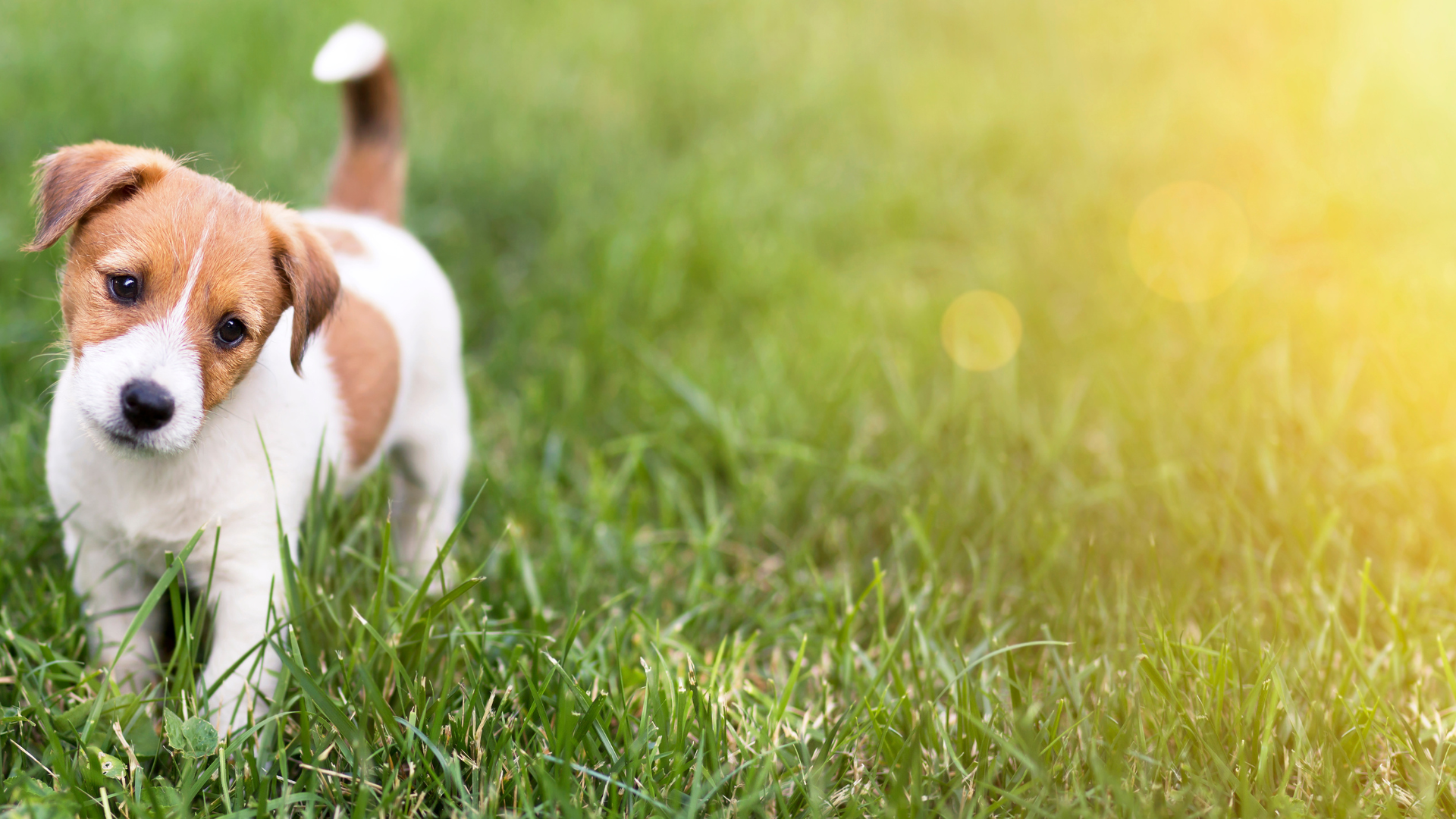
When we talk about creating a cozy and functional home, lighting often takes center stage. But have you considered how your lighting choices impact your pets? Whether you’re a dog lover, cat parent, bird enthusiast, reptile keeper, or aquarium owner, selecting the right lighting can make a world of difference. In this guide, we’ll explore different types of lighting, their effects on various pets, and provide tips for setting up the most efficient Pet-Friendly Home Lighting.
Why Lighting Matters for Pets
Pets rely on lighting to regulate their circadian rhythms, support healthy behaviors, and even enhance their emotional well-being. Poor lighting can cause stress, disrupt sleep, and in some cases, lead to health issues. Let’s dive into how different lighting elements – intensity, duration, and color – impact specific pets.
Lighting for Dogs
Dogs are adaptable but still benefit from lighting that mimics natural daylight. Overly bright lights can cause anxiety, while dim settings during the evening promote relaxation.
Best Practices:
Use full-spectrum LED bulbs during the day to simulate sunlight.
Soft, warm lights in the evening help dogs wind down.
Avoid flickering lights, as they can irritate sensitive canine eyes.
Optimal Intensity and Duration:
Moderate intensity during the day.
10-12 hours of light exposure to maintain a healthy circadian rhythm.
Lighting for Cats
Cats, being crepuscular creatures, are most active at dawn and dusk. Lighting should cater to their natural instincts without overwhelming them.
Best Practices:
Incorporate adjustable dimmers to replicate twilight conditions.
Provide sunny spots near windows during the day.
Use motion-sensitive lights in dark areas to prevent nighttime accidents.
Optimal Intensity and Duration:
Low to medium intensity.
A mix of natural light and 8-10 hours of artificial light.
Lighting for Birds
Birds are highly sensitive to light. Proper lighting ensures healthy molting, vibrant plumage, and robust immune systems.
Best Practices:
Use full-spectrum UVB bulbs to replicate sunlight and support Vitamin D synthesis.
Avoid sudden changes in light levels, as they can stress birds.
Cover cages at night to provide complete darkness for restful sleep.
Optimal Intensity and Duration:
Bright light during the day.
10-12 hours of light exposure, followed by 10-12 hours of darkness.
Lighting for Reptiles
Reptiles depend on UVB lighting for calcium absorption and overall health. Without it, they can develop metabolic bone disease.
Best Practices:
Install specialised UVB and heat bulbs.
Create a gradient of lighting within the enclosure to mimic natural habitats.
Ensure bulbs are replaced every 6-12 months to maintain UV output.
Optimal Intensity and Duration:
High intensity in basking areas.
10-14 hours of light, depending on the species.
Lighting for Aquariums
Aquatic life requires specific lighting to maintain healthy ecosystems and highlight the vibrant colors of fish and corals.
Best Practices:
Use LED lights with adjustable spectrums for optimal plant and fish health.
Incorporate timers to maintain consistent light cycles.
Avoid direct sunlight to prevent algae growth.
Optimal Intensity and Duration:
Moderate to high intensity.
8-10 hours of light daily for freshwater aquariums; 10-12 hours for marine setups.
The Most Efficient Setup for Pet-Friendly Home Lighting
Creating an efficient Pet-Friendly Home Lighting system involves thoughtful planning. Here’s how:
Use Smart Lighting Systems:
Smart bulbs and timers can automate lighting schedules to match your pets’ natural cycles.
Choose Full-Spectrum Bulbs:
These mimic natural sunlight and are ideal for both pets and humans.
Install Dimmers:
Adjustable lighting helps create a calming atmosphere in the evenings.
Avoid Glare and Shadows:
Position lights to prevent glare on aquariums and shadows in pet enclosures.
Energy-Efficient Options:
LED lights consume less power and generate less heat, making them safer and more cost-effective.
Top 5 Ideas and Improvements for Pet-Friendly Home Lighting
Daylight-Mimicking Light Panels:
Install panels that replicate natural daylight to improve your pet’s mood and energy levels.
Motion-Sensor Night Lights:
Perfect for cats and dogs, these lights illuminate dark hallways or rooms when your pet moves around.
UVB Lighting for Small Spaces:
Compact UVB setups work well for reptiles or birds in smaller living spaces.
Integrated Aquarium Hoods with Adjustable LEDs:
Modern aquarium hoods come with customisable lighting spectrums for both aesthetics and ecosystem health.
Outdoor Pet-Friendly Lighting:
Solar-powered lights in your backyard create a safe and welcoming space for outdoor pets during evening hours.
Conclusion
Lighting is more than just a design element; it’s an essential aspect of creating a safe, healthy, and happy environment for your pets. By understanding their unique lighting needs and implementing efficient Pet-Friendly Home Lighting solutions, you’re ensuring they thrive in every corner of your home.
With a mix of full-spectrum bulbs, smart systems, and thoughtful placement, your home can be a haven for your beloved companions. Whether it’s your dog basking in soft afternoon light, your cat exploring dimly lit corners, or your reptiles soaking up UV rays, proper lighting enhances their quality of life and deepens your bond.