
Preparing and Protecting Your Pet Before Renovation: A Comprehensive Guide
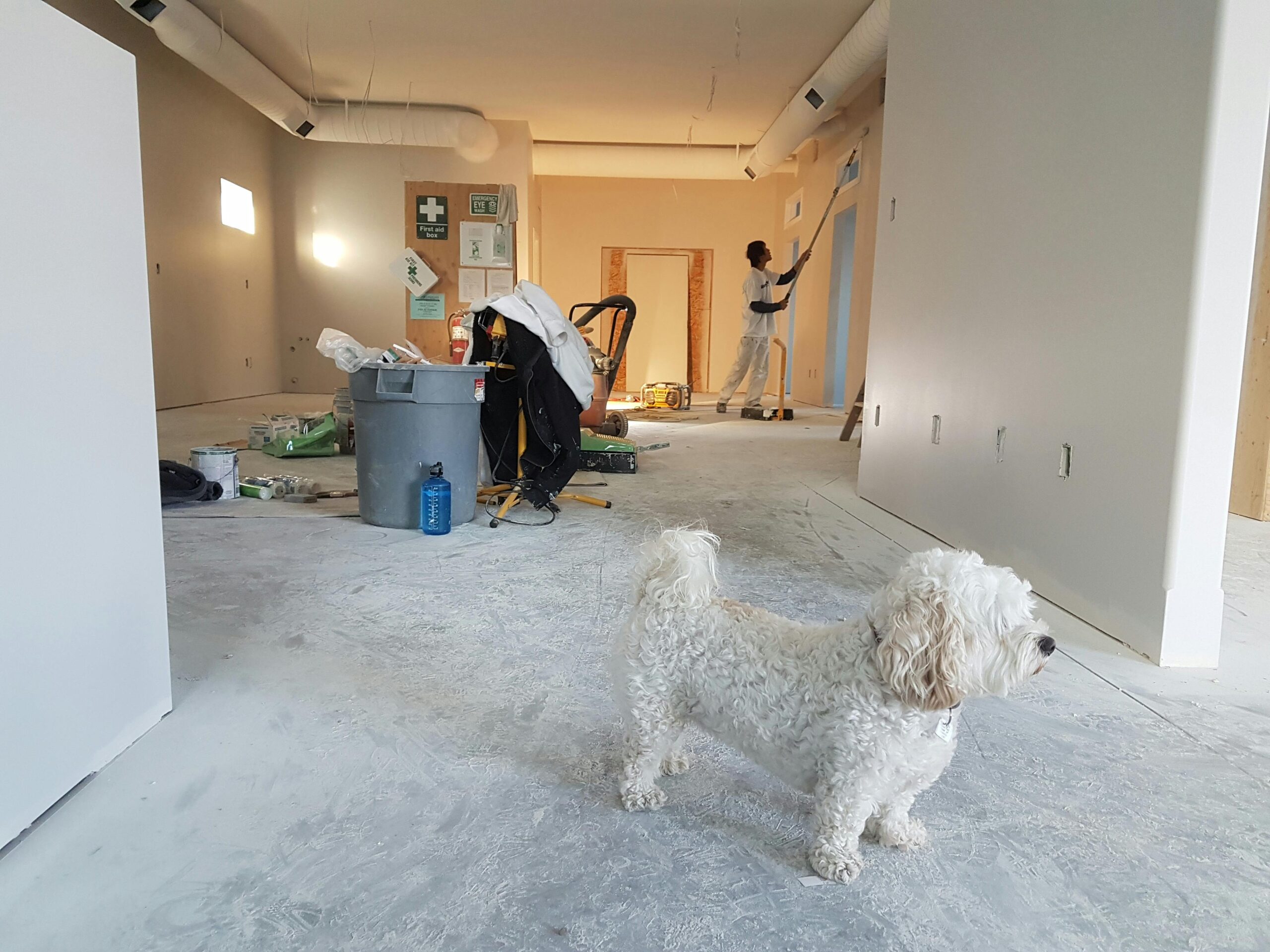
Renovating your home can be an exciting journey toward creating the perfect space for you and your family. However, if you share your home with pets, this process can be particularly stressful for them. Pets thrive on routine and familiarity, and the noise, strangers, and disruptions of a renovation project can cause anxiety and behavioural issues. As a responsible pet owner, it’s essential to take proactive steps to ensure the well-being of your furry friend during this time. In this guide, we’ll walk you through how to prepare and protect your pet before renovations commence, manage their behaviour and routines during the disruption, and ensure safety for everyone involved.
Step 1: Plan Ahead
Before you even start swinging the hammer, it’s crucial to plan for your pet’s needs. Consider the following aspects:
1.1 Understanding Your Pet’s Personality
- Assess Stress Levels: Different pets have different tolerances to noise and change. A dog that’s calm during thunderstorms might handle construction noise better than one that hides at the first sound of rain. Cats, known for their aversion to change, might require more preparation.
- Consult Your Vet: If your pet has a history of anxiety or health issues, speak with your veterinarian. They might suggest calming aids, like pheromone diffusers, anxiety wraps, or even temporary medication to help your pet cope.
1.2 Create a Safe Haven
- Designate a Quiet Space: Choose a room or area of your home farthest from the renovation activity as a sanctuary for your pet. This space should be filled with their favourite toys, bedding, and familiar scents to help them feel secure.
- Soundproofing: Consider adding temporary soundproofing measures like heavy curtains, rugs, or even moving furniture to buffer noise. White noise machines or calming music can also help drown out disruptive sounds.
1.3 Temporary Relocation
- Consider Boarding: If your renovation is extensive, it might be worth boarding your pet at a kennel or with a trusted friend or family member. This can minimise their exposure to the chaos and reduce stress.
- Pet-Friendly Rental: If you’re staying elsewhere during the renovation, find a pet-friendly rental or hotel so your pet can remain with you in a quieter, more stable environment.
Step 2: Preparing Your Home and Pet
2.1 Safety First: Pet-Proofing the Renovation Area
- Secure the Construction Zone: Ensure that the renovation area is completely off-limits to your pets. Use gates, barriers, or closed doors to block access. Keep tools, sharp objects, and hazardous materials out of reach.
- Label Dangerous Areas: Clearly mark or label areas where your pets should not go. Inform your contractors about these restricted zones and make sure everyone is aware of the precautions.
2.2 Preparing Your Pet’s Routine
- Establish New Routines Early: If your pet’s feeding, walking, or playtime routines will change due to the renovation, start adjusting them a few weeks before the project begins. This helps your pet adapt more smoothly when the time comes.
- Maintain Consistency: Try to keep your pet’s daily routine as consistent as possible despite the changes. Consistent mealtimes, walks, and play sessions provide a sense of normalcy.
2.3 Desensitization to Noise and Strangers
- Introduce Sounds Gradually: If your pet is particularly sensitive to noise, consider using desensitization techniques. Play recordings of construction sounds at low volumes and gradually increase the volume over time, rewarding your pet for calm behaviour.
- Meet the Tradespeople: Introduce your pet to the contractors or tradespeople before the work begins, if possible. This can help your pet feel more at ease with the new faces in their home.
Step 3: Managing Behaviour and Routine During Renovation
3.1 Behavioural Management
- Monitor Stress Signals: Keep an eye on your pet for signs of stress such as excessive panting, whining, hiding, or changes in appetite. Address these signs promptly by providing comfort or removing them from the stressful situation.
- Interactive Toys and Puzzles: Keep your pet occupied with interactive toys, puzzle feeders, or long-lasting chews. This not only distracts them from the noise but also provides mental stimulation.
- Exercise and Play: Ensure your pet gets plenty of exercise and playtime. Physical activity helps reduce anxiety and can tire them out, making them less reactive to the ongoing commotion.
3.2 Routine Adjustments
- Staggered Breaks: If you’re home during the renovation, take staggered breaks to check on your pet and give them attention. A few minutes of cuddling or a quick walk can make a big difference in keeping them calm.
- Pet Day care: Consider enrolling your dog in a doggie day care for a few days each week. This gives them a break from the noise and offers socialisation and playtime with other dogs.
Step 4: Ensuring Safety Onsite
4.1 Pet Identification and Tracking
- Updated ID Tags and Microchips: Make sure your pet has up-to-date identification tags and that their microchip information is current. Renovations can create opportunities for your pet to slip out unnoticed, so it’s important to have identification in place.
- Tracking Devices: Consider using a GPS tracking collar for extra peace of mind, especially if your pet has a tendency to escape or wander off.
4.2 Supervision and Coordination
- Designated Contact Person: Assign one person in your household to be responsible for the pet during renovation days. This ensures there’s always someone who knows where the pet is and how they’re doing.
- Contractor Communication: Maintain clear communication with your contractors about your pet’s presence. Make sure they understand the importance of keeping doors and gates closed and being cautious when moving equipment.
4.3 Emergency Preparedness
- First Aid Kit: Have a pet-specific first aid kit on hand, including essentials like bandages, antiseptic wipes, and your vet’s contact information.
- Evacuation Plan: In case of an emergency, have an evacuation plan that includes your pet. Know the quickest routes to get them out safely and where you’ll take them.
Step 5: Gradual Reintroduction and Post-Renovation Care
5.1 Reintroducing Your Pet to the Renovated Area
- Slow and Steady: Once the renovation is complete, allow your pet to explore the new space gradually. Let them sniff around and get familiar with the changes at their own pace.
- Positive Associations: Encourage positive associations with the new space by offering treats, toys, or their favourite bedding in the renovated areas.
5.2 Monitor for Lingering Stress
- Watch for Behavioural Changes: Even after the renovation is complete, monitor your pet for any lingering anxiety or behavioural changes. Some pets may take time to adjust fully.
- Ongoing Comfort Measures: Continue using comfort measures like calming sprays or music until your pet has fully settled into their new environment.
Conclusion
Renovating a home with pets in mind requires careful planning and thoughtful execution. By preparing your home and pet before the renovation starts, managing their behaviour and routine during the disruption, and ensuring safety for all involved, you can minimise stress and create a smoother transition for your furry friend. Remember, your pet looks to you for guidance and comfort, and with the right approach, you can make this process a positive experience for both of you.