
Designing a Home Renovation with Your Pet’s Needs in Mind

Renovating your home can be a transformative experience, turning your living space into a sanctuary that reflects your personal style and meets your family’s needs. But for pet owners, the renovation design process involves additional considerations. Designing a home renovation with pets in mind ensures that your furry friends are comfortable, safe, and happy in your newly designed space. Whether you’re a seasoned renovator or just starting out, this guide will walk you through the essential steps to create a pet-friendly home that’s both functional and stylish.
Step-by-Step Guide to Renovation Design for Pets
Step 1: Assess Your Pet’s Needs and Habits
Overview: The first step in any successful renovation design for pets is understanding your pet’s specific needs and habits. This helps you tailor your renovation to create a space that is not only beautiful but also practical for your pet.
In-Depth Instructions:
- Observe Daily Routines: Take note of your pet’s daily routine. Where do they eat, sleep, and play? Which areas of the house do they prefer for lounging? Understanding these habits will guide your renovation design choices.
- Consider Your Pet’s Breed and Size: Different breeds and sizes have varying needs. For instance, large dogs may require more durable flooring, while cats may benefit from vertical spaces for climbing.
Practical Tips and Recommendations:
- Create Zones: Designate specific areas for feeding, sleeping, and play. This can help keep your home organised and make your pet feel more secure.
- Think Long-Term: Consider your pet’s age and health. Older pets may need ramps instead of stairs, while younger ones might need more robust play areas.
ENGAGING QUESTION: What are your pet’s favourite spots in the house? How could you enhance these areas to make them even more enjoyable for your furry friend?
Step 2: Choose Pet-Friendly Materials
Overview: When renovating with pets in mind, choosing the right materials is crucial. You want to select materials that are durable, easy to clean, and safe for your pets.
In-Depth Instructions:
- Opt for Durable Flooring: Hardwood, tile, and vinyl flooring are excellent choices for homes with pets. They are scratch-resistant, easy to clean, and can withstand the wear and tear of pet activity.
- Use Pet-Safe Paints and Finishes: Look for low or no-VOC (volatile organic compounds) paints and finishes. These are safer for pets and reduce the risk of toxic fumes.
- Install Stain-Resistant Fabrics: For furniture and upholstery, choose fabrics that are resistant to stains and easy to clean, such as microfiber or leather.
Practical Tips and Recommendations:
- Non-Slip Surfaces: If you have a pet that is prone to slipping, consider adding non-slip rugs or mats in high-traffic areas.
- Elevated Food and Water Stations: To prevent messes and improve hygiene, install elevated food and water stations in your kitchen or dining area.
ENGAGING QUESTION: Have you ever had to replace furniture or flooring due to pet damage? What materials do you think would be the most pet-friendly in your home?
Step 3: Incorporate Pet-Friendly Features
Overview: Adding pet-specific features to your renovation design can make life easier for both you and your pet. These features can range from simple additions to more elaborate customisations.
In-Depth Instructions:
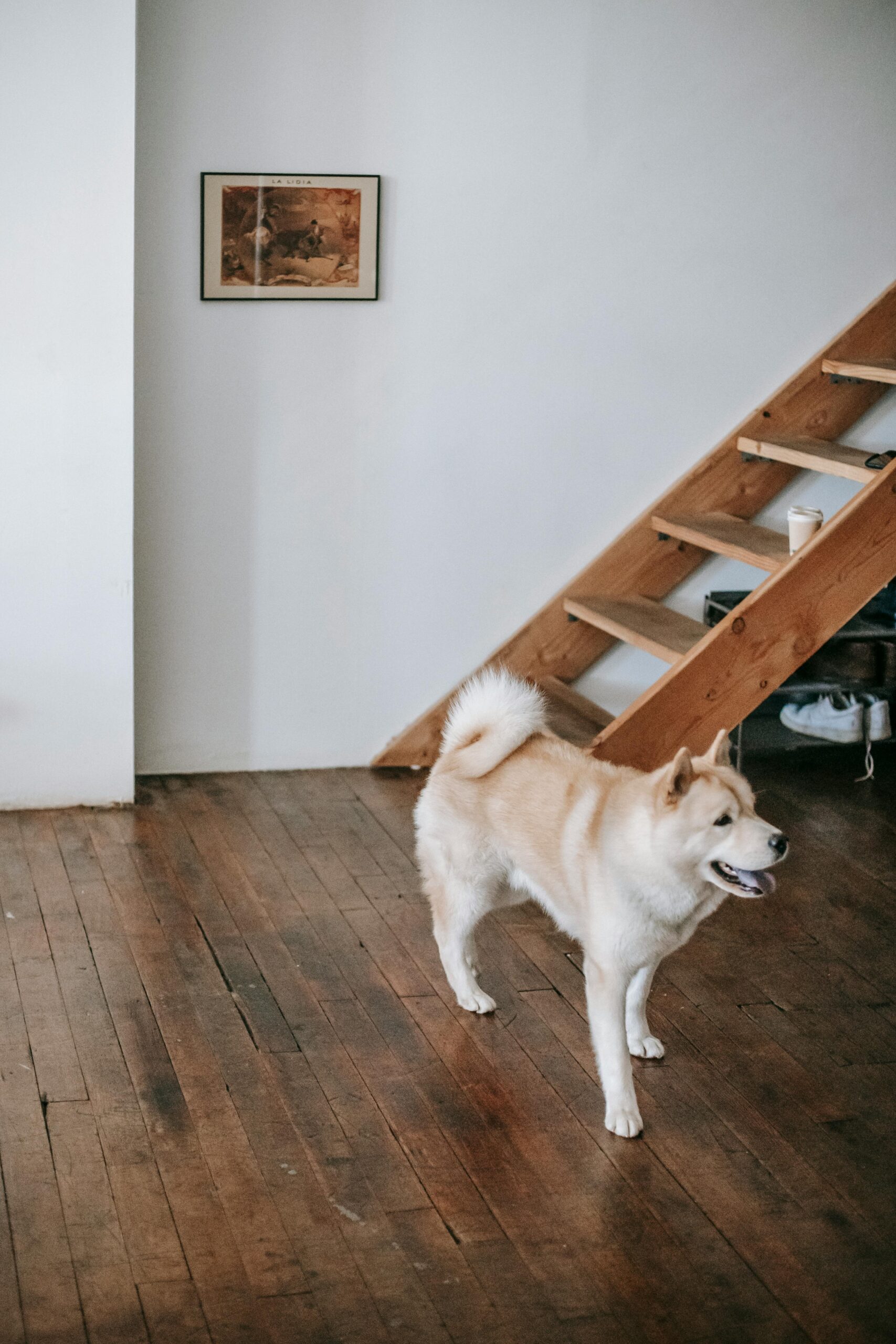
- Create a Pet Nook: Incorporate a cosy nook or hideaway where your pet can retreat. This could be under the stairs, in a corner of the living room, or a built-in space in your kitchen.
- Install Pet Doors: A pet door allows your pet to move freely between the indoors and outdoors, providing them with the freedom to explore and exercise.
- Build Custom Pet Furniture: Consider built-in feeding stations, litter box enclosures, or cat climbing walls. These can be designed to blend seamlessly with your home’s aesthetic.
Practical Tips and Recommendations:
- Window Perches for Cats: Install window perches to give your cats a comfortable spot to watch the outside world, helping to keep them entertained and stimulated.
- Pet-Friendly Outdoor Spaces: If you have a yard, consider landscaping with pet-safe plants and installing a secure fence to keep your pet safe while they enjoy the outdoors.
ENGAGING QUESTION: What type of custom feature would make your pet’s life more enjoyable? How could you integrate it into your renovation design?
Step 4: Plan for Safety and Comfort
Overview: Ensuring your pet’s safety and comfort during the renovation process is essential. This step involves both immediate safety measures and long-term comfort considerations.
In-Depth Instructions:
- Secure Hazardous Areas: During renovation, make sure to keep your pet away from construction zones, tools, and materials. Use gates or temporary barriers to block off these areas.
- Comfort During Construction: Provide a safe, quiet space for your pet to retreat to during noisy construction periods. This could be a room on the opposite side of the house or even a friend’s home.
Practical Tips and Recommendations:
- Maintain Routine: Keep your pet’s routine as normal as possible during the renovation to reduce stress.
- Consider Air Quality: Pets can be sensitive to dust and fumes. Use air purifiers and ensure proper ventilation during and after construction.
ENGAGING QUESTION: How does your pet react to loud noises or unfamiliar environments? What steps can you take to ensure they stay calm and comfortable during renovation?
Common Errors and Misconceptions
Misconception 1: Pets Don’t Need Special Considerations in Renovation Design
- Reality: Pets are an integral part of your household, and their needs should be considered just as much as any other family member. Ignoring their needs can lead to discomfort, anxiety, and even damage to your newly renovated space.
Misconception 2: Any Material Will Do
- Reality: Not all materials are created equal when it comes to pets. Choosing non-durable or unsafe materials can lead to frequent repairs or health risks for your pet.
Misconception 3: Pet Features Will Ruin My Aesthetic
- Reality: With thoughtful design, pet features can be integrated seamlessly into your home’s aesthetic, enhancing both form and function.
CASE STUDY: One homeowner opted for plush carpeting throughout their home without considering their dog’s frequent shedding and tendency to track in dirt. Within a year, they had to replace the carpeting due to excessive wear and tear. A more suitable choice would have been durable flooring like tile or vinyl, paired with washable area rugs.
Conclusion: Bringing It All Together
Designing a home renovation with pets in mind is not just about aesthetics; it’s about creating a living space that works for everyone in your household. By considering your pet’s needs from the outset, choosing the right materials, and incorporating thoughtful features, you can achieve a renovation design for pets that is both beautiful and functional. Now that you’re equipped with the knowledge, it’s time to start planning your renovation, ensuring your home is a haven for you and your furry companions.